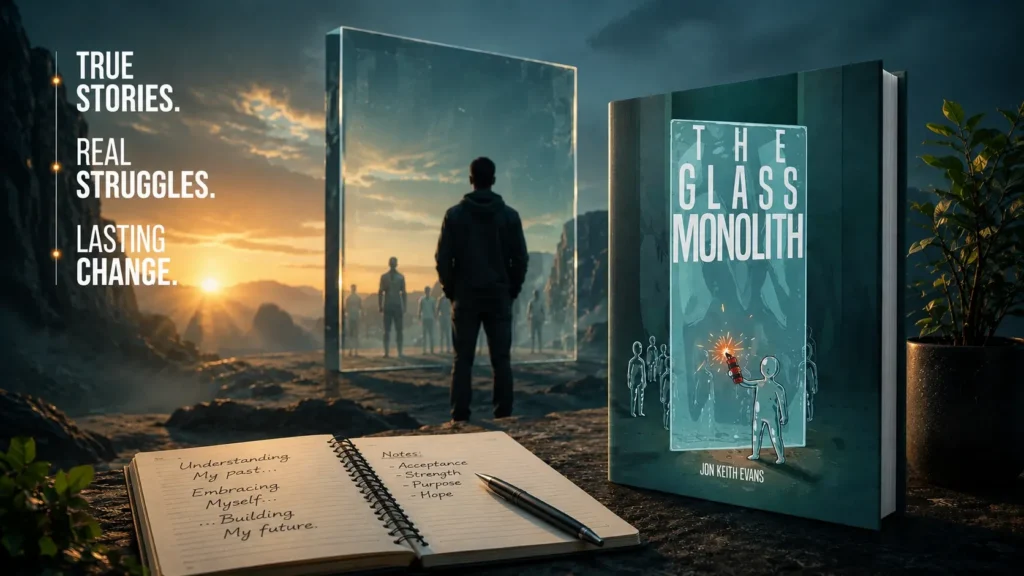
Some books name a feeling you never had words for. Also, this is one of them. Among today’s inspirational true-life books, Jon K. Evans memoir stands out. Why? Because it doesn’t rush to a neat end. Instead, it sits with hard things first. Then, it sits with the loneliness too. Finally, it finds real peace. Evans spent forty-seven years asking why he felt so different. So, when the answer came, it changed how he saw his whole life.
What Makes This One of the Best Inspirational True-Life Books
Lots of memoirs promise change. However, few really earn it. For years, Evans got called different. But no one told him why, not once. First, he thought he had Hyperlexia. That’s tied to early reading skills. Later, at forty-seven, doctors gave him an answer. Also, they found Asperger’s Syndrome at the same time. That news didn’t undo the hard years. Still, it gave them a name at last. So, readers watch a real puzzle come together. It happens slowly, and it happens true.
Growing Up Behind a Barrier No One Could See
As a kid, Evans could read by age three. That part came easy. However, other parts did not. For instance, tying his shoes was hard. Also, catching a ball was even harder. Because of that gap, people got him wrong a lot. Teachers got him wrong. Meanwhile, kids at school did too. So, he felt like an outsider growing up. He didn’t know why. Neither did anyone else around him. Later, college brought new problems too. Even with a degree, good jobs stayed hard to land.
A Childhood Full of Small, Confusing Signals
Over time, small moments piled up. First, a missed joke here. Then, a missed cue there. Alone, none of it looked huge. But together, it built a wall. So, that wall stuck with him into adulthood. Because of that, real answers took decades to arrive. Still, the book treats those years as proof, not waste. Instead, it treats them as proof of quiet strength.
Inspiring Life Journey Books: A Story Built on Real Struggle, Not Fiction
Sometimes, readers file this under The Glass Monolith fiction book label. Because the story feels so vivid, they assume it’s made up. However, it’s not. Instead, every part comes from real life. That’s exactly why it hits hard. Among inspiring life journey books, this one earns its spot through truth. So, it skips drama for effect. Also, unlike a typical psychological science fiction thriller built on made-up tension, this tension is real. Therefore, there’s no twist saved for the last page. Instead, there’s just a man learning himself, bit by bit.
The Glass Monolith Metaphor Explains Everything
Actually, the title comes straight from Evans own words. He sees a glass wall between himself and the world. That wall stays clear, yet it won’t break. So, this image gives the book its heart. Because of it, many now call it The Glass Monolith inspiring true memoir readers didn’t know they needed. Also, the metaphor feels universal too. In fact, most people have felt shut out at some point. Maybe just once, but it still stings.
Life Changing Memoir Books: Why This One Stays With Readers
Not every memoir earns the label life-changing. However, this one does. Mostly, that’s because it skips easy answers. Evans doesn’t blame the world outright. Nor does he let it off the hook either. Instead, he looks hard at real gaps in mental health care. Also, he looks at gaps in job support. So, among life-changing memoir books, this one stands out for its balance. It stays honest, yet it stays kind too. Plus, it touches on race and neurodiversity together, a mix rarely handled this well.
Why Readers Keep Recommending It
Clearly, word of mouth matters for real-life inspirational reads. So far, this book has earned plenty of it. Often, readers brace for a hard read. Instead, they walk away feeling hopeful. According to general publishing standards, memoirs that mix hard truth with insight tend to stick around longer. So, this one fits that mold well. It’s honest about pain, but it doesn’t linger there. Instead, it never asks for pity. It simply asks to be understood.
Among impactful true story books out right now, few feel personal and useful at once. However, Evans writes with real care, which tracks given his work in technical writing. Still, the feeling never gets buried under detail. Instead, structure and heart work side by side.
Sometimes, readers pick this book up expecting just another entry in a long list of impactful true story books. Then, they walk away seeing a mirror instead. So, that’s rare for any first book to pull off.
A Quiet Kind of Courage
Notably, what sets this book apart isn’t loud drama. Instead, it’s quiet, steady courage. Evans doesn’t perform his pain for show. Rather, he just states it, plain and clear. Because of that, the honesty lands harder. So, readers don’t feel pushed. Instead, they feel trusted. Slowly, that trust builds, page by page, until the end feels earned, not forced.
Why It Resonates Beyond the Autism Community
Actually, you don’t need a late diagnosis to relate here. Instead, most people have felt like an outsider at some point. Maybe at a new job. Or maybe in a new town. Because of that, the story reaches far past its main topic. So, it speaks to anyone who’s felt out of step.
Final Thoughts
So, if you want inspirational true-life books that respect your mind, start here. This book skips easy comfort. Instead, it offers something better: real recognition. For a lifetime, Evans felt unseen. Now, though, he makes sure others won’t feel that way alone. So, if this story speaks to you, or to someone you love, pick up a copy. Then, pass it along to someone who needs it too.
FAQ
What makes The Glass Monolith one of the strongest inspirational true-life books available now?
Mainly, its honesty stands out. Evans doesn’t soften the hard parts. Nor does he fake comfort either. So, that gives the story real weight.
Is The Glass Monolith a fiction book label accurate?
No, it’s not. Even though it shows up under fiction sometimes, it’s actually a true memoir. Every part comes from real life.
Why do some readers compare it to a psychological science fiction thriller?
Mostly, it’s the tension and the strong metaphor. But that’s where it ends. So, nothing in the book is made up.
Who should read The Glass Monolith, an inspiring true memoir?
Really, anyone curious about neurodiversity or late diagnosis should read it. Especially, it means a lot to anyone who’s felt misunderstood.